
 1-800-523-0575


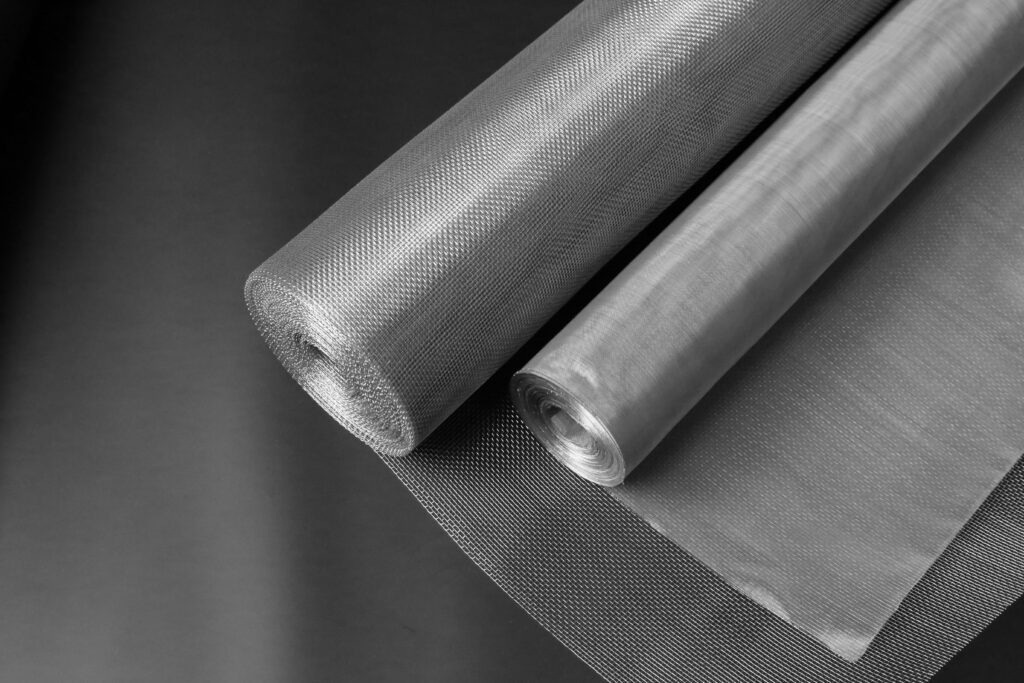
Wire cloth is durable which makes it a versatile product for a variety of applications. Many industries rely on it, such as food and beverage, pharmaceutical, and automotive to filter, sift, size, or ventilate.
The increased use of wire mesh screens has allowed it to evolve into a range of different products. Nowadays, there are various standards, edgings, and necessary fabrications. These cater to the industry’s specific demands.
In addition, changes in technology have allowed experts to make more durable screen sections. Production processes are now sophisticated, especially because of efficient fabrications and quality materials.
Depending on the opening size and material, you can find the ideal wire mesh screen to fit your needs.
Moreover, each of these products has specific properties and constructions. Metallurgical and technical considerations contribute to the growing diversity that demands a need-specific and careful selection of wire cloth.
Therefore, understanding why you should choose this product and how to do so is essential if you’re using it for your benefit.
The Why and How of Wire Mesh
Wire cloth consists of a metal screen with interwoven wire strands. Experts often use materials such as stainless steel, aluminum, brass, copper, and bronze to make these products.
In addition, wire mesh is often convenient for screening, shielding, and structuring. Using a filter made of this material is often the best choice because it’s durable and sturdy, and its composition allows bonding at the molecular level.
There are two primary ways to manufacture wire mesh: welding and weaving. You get the former when metal wires go in rows and columns depending on the required size, and then they’re welded at the intersection. Either construction typically utilizes thicker wire diameters and larger openings.
Weaving wire mesh consists of making a grid of intersected wires. It follows a perpendicular pattern, woven over and under a wire. More complex weaves are also available depending on the requirement.
Some of Types and Uses of Wire Mesh Screens
Wire mesh serves many purposes. As the article mentioned, numerous industries rely on it, including the medical, food and beverage, and automotive. It’s also a fantastic addition to people’s homes, which is why it has residential uses too.
Regardless of what you’re using it for, wire mesh is available in different types of aperture, coarseness, and weight. Each alternative has a unique pattern, function, qualities, and features. Here are some of the most famous options you can get:
Stainless Steel Wire Mesh
The chemical composition behind this material is Chromium and Nickel. It’s sturdy, reliable, and strong. It comes in various grades such as Type 304, Type 316, and Type 430. It is the most commonly used material in wire cloth and wire mesh.
This type of wire mesh is available in numerous constructions depending on what you need. Overall, it’s one of the best alternatives if you’re putting it in significantly corrosive or high temperatures since stainless steel is resistant to both.
Other Steel Varieties
Similarly to Stainless Steel, there are various other Steel varieties available for any application. These include:
- Plain Carbon (Mild) Steel – Standard Grade
- High Carbon Steel – Higher Grade & Abrasion Resistant
- Galvanized Steel – Contains a zinc coating to prevent oxidization
- Epoxy Coated Steel – Contains an Epoxy coating needed for specific applications.
Aluminum Wire Mesh
Compared to stainless steel and other metals, Aluminum may end up being much more cost-effective, and this is the primary reason why many people choose it. It’s particularly famous for its residential uses because it’s still sturdy and durable, and lighter than other alternatives.
Aluminum wire mesh is the ideal one to get if you need something low in weight. It’s three times lighter than stainless steel, which is why it’s the common material people want for personalized structures such as railings infill.
Tips to Choose the Best Wire Cloth & Wire Mesh Screens
Wire mesh screens can help you keep insects away from your home, protect your surroundings, and more. Take a look at the following tips to choose the best ones:
- Consider why you need wire mesh screens since each material has its applications and uses
- The construction type you get is crucial since it affects how your surroundings will look
- Make sure you pick the correct material depending on the temperature you live in and other environmental factors
- Get personalized wire mesh screens if you can’t choose any option that fits your needs
- Ask experts if you have any questions
- There are many options to explore, so take your time
- Remember that each material has different costs, uses, and durability
Tips to Choose the Best Wire Cloth & Wire Mesh Screens
Wire mesh screens are very versatile, common, and useful. You can rely on them to keep your insects away, provide a layer of protection to your doors or windows, or even give your surroundings a different look.
There are different alternatives when it comes to buying wire mesh screens, and you must examine each one before buying the most convenient one for your property or specific application process. Sometimes, you may prefer something sturdier such as stainless steel, but if you can’t afford it, better go for aluminum.
Now, you understand some of the basics of purchasing wire mesh screens and what you should consider before doing so. Get started with the process!